IDEA SET
IDEA SET
Explorer Classroom Wildlife Series
Explorer Classroom Wildlife Series
Join National Geographic Explorers for a series of recorded virtual conversations about Wildlife conservation. Lead your students on their own missions to explore and protect wildlife in their own communities.
Grades
3 - 8
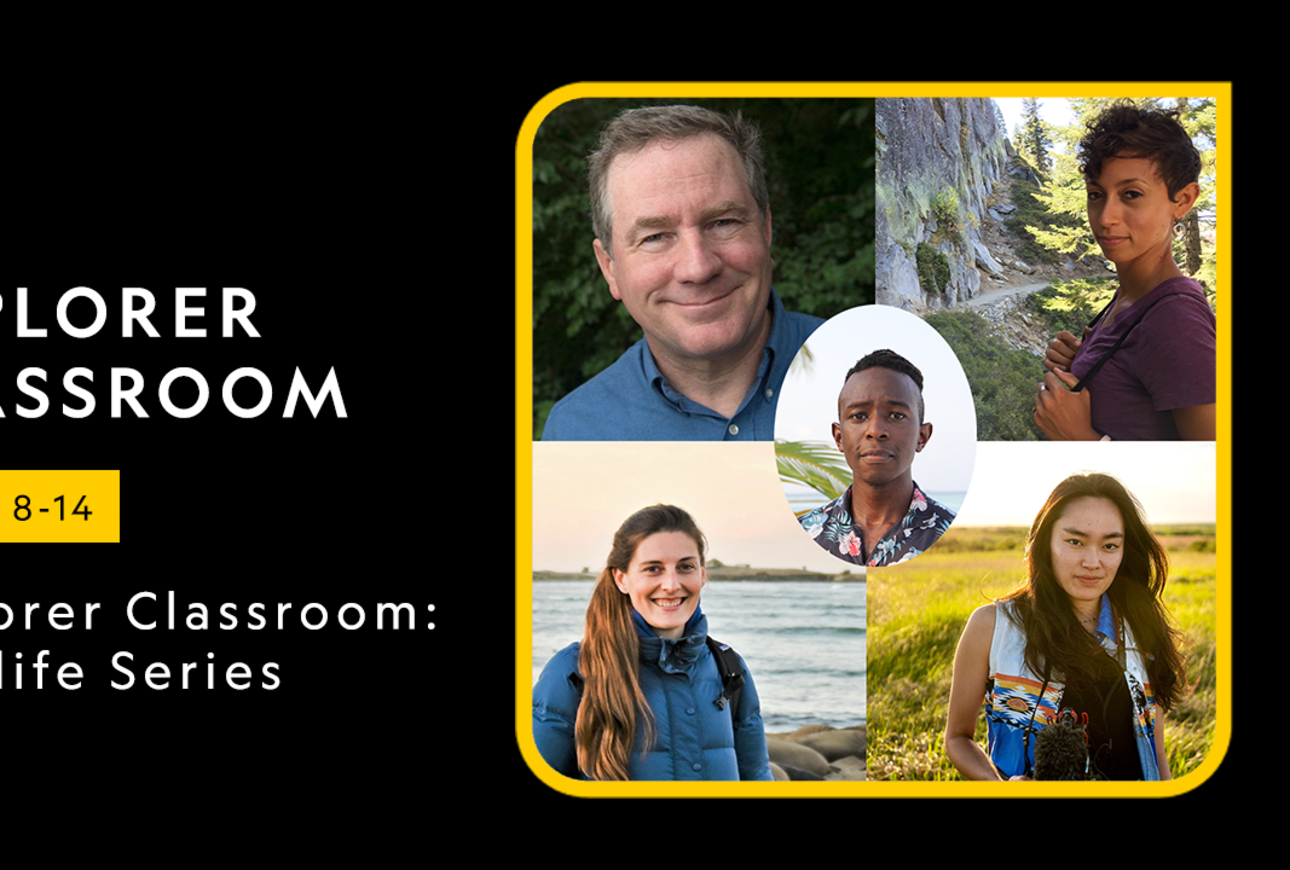
NGS Explorer Classroom
How do National Geographic Explorers use their expertise to learn more about and protect wildlife around the world? How can students draw inspiration from Explorers to discover and protect wildlife in their own communities?
The Explorer Classroom Wildlife Series is a series of conversations with National Geographic Explorers linked together by engaging activities for students, called missions. By watching the recorded conversations and engaging in the missions in class or at home, students will step into the mindset of a National Geographic Explorer to illuminate and protect the wonder of the world around them.
In the resources below, you will see a series of four recorded Explorer Classroom events, followed by a series of missions. Your students can engage with all of the events and the missions together as a unit or pick and choose the most relevant resources to use individually.
You can access all of the materials together, with detailed educator guidance, as an Open Educational Resource here (Google Docs) [ADD LINK].
The Explorer Wildlife Series is part of the Explorer Classroom program. Learn about upcoming live Explorer Classroom events or view additional recordings of past events, on the Explorer Classroom homepage [ADD LINK].
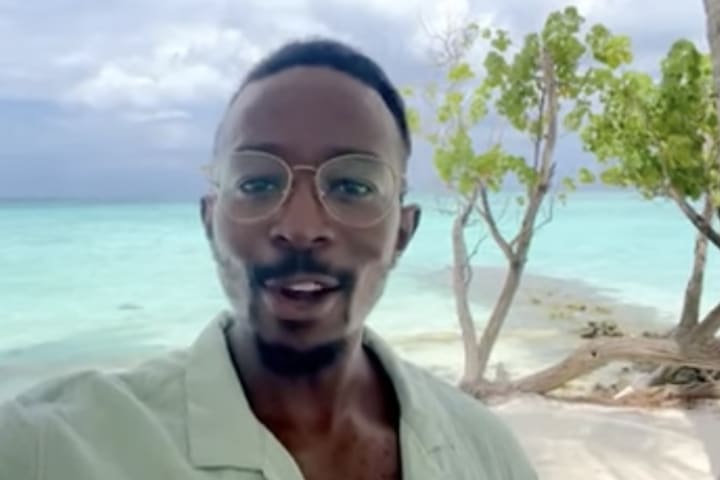
Video Welcome: Gibbs Kuguru
View a short video introduction to the Wildlife Series from host and Explorer Gibbs Kuguru
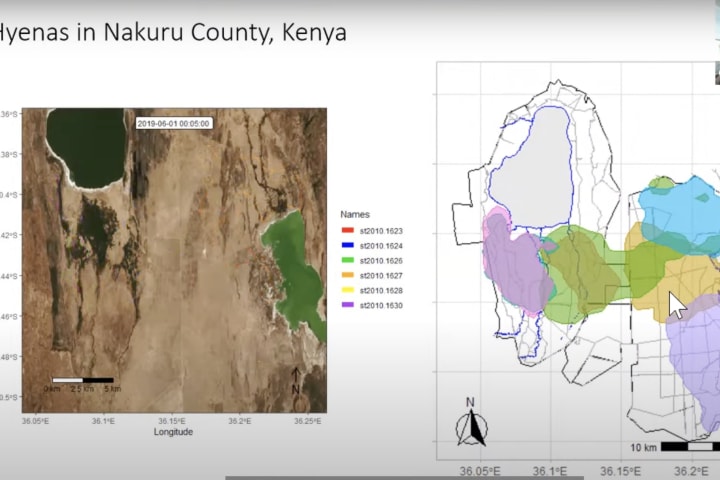
Event 1: Carnivores and People with Christine Wilkinson
Watch Explorer and conservation biologist Christine Wilkinson to learn about their work tracking and studying how carnivores, such as the spotted hyena in Kenya and the coyote in California, interact with their environments–including humans.
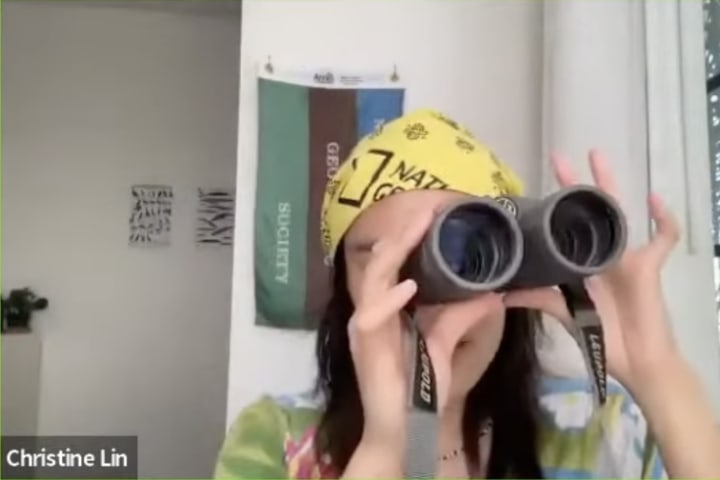
Event 2: Filming Birds and Tide Pools with Christine Lin
Watch Explorer and documentary filmmaker Christine Lin as she explores the incredible world of birds and the hidden life of the mysterious animals in tide pools through the lens of indigenous storytelling.
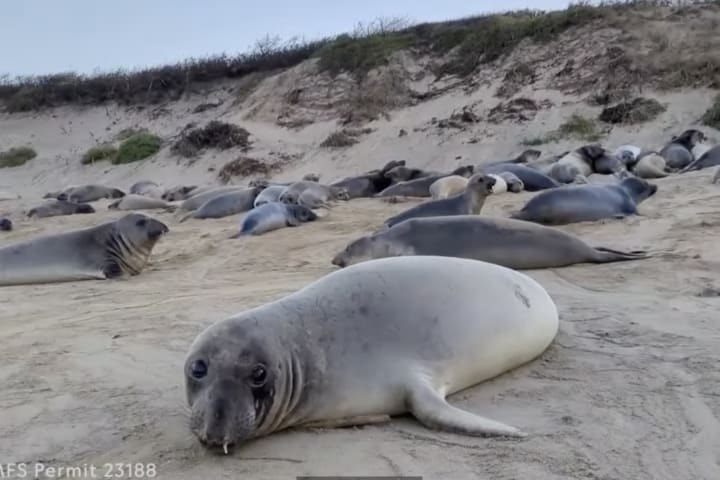
Event 3: Tracking Elephant Seals with Roxanne Beltran
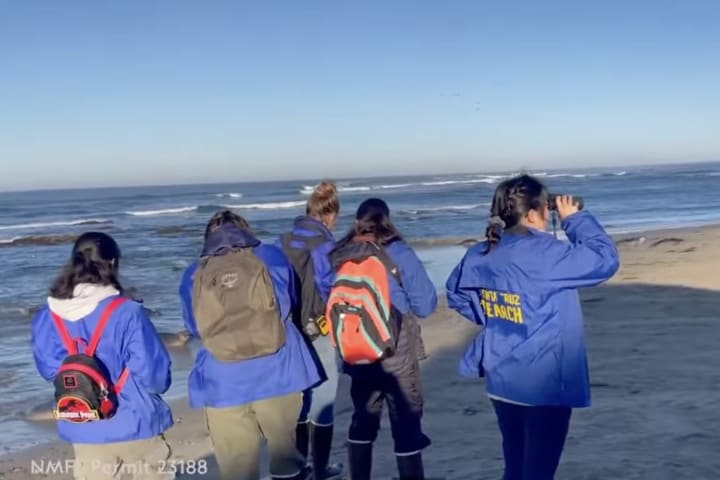
Explorer and marine biologist Roxanne Beltran tracks the movement of elephant seals to learn how they survive and thrive in the open ocean. Join to find out how Roxanne and her team do this and what they have discovered.
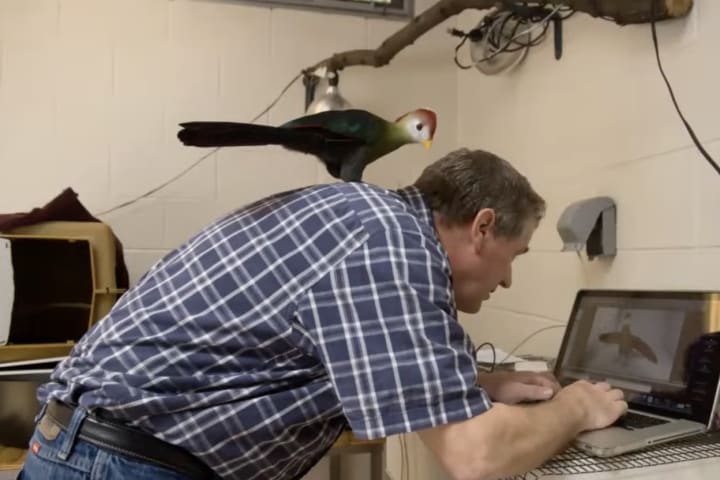
Event 4: The Photo Ark with Joel Sartore
Explorer, photographer, and founder of the Photo Ark Joel Sartore has taken portraits of 14,000 species–and counting–in his quest to document our world’s astonishing biodiversity. His images promote empathy and inspire viewers around the world to understand and protect the animals who share our planet.
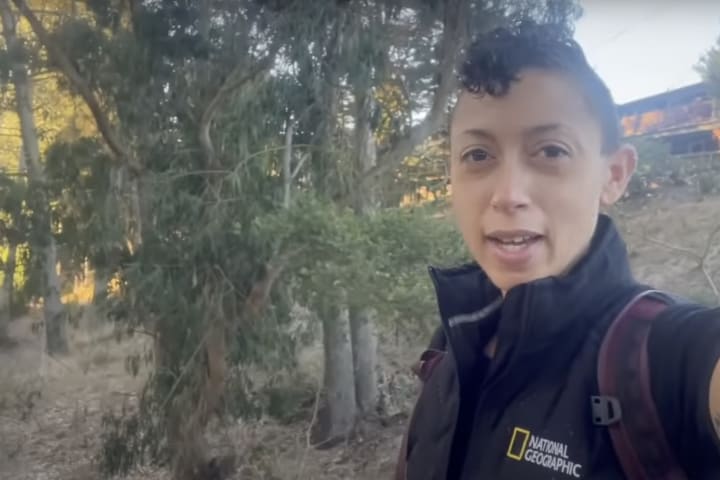
Pre-Mission: Explore Local Wildlife
Guide your students to learn about the wildlife in your own community, including species they might not even think live nearby. Your class will use the online tool iNaturalist.org to find data about the wildlife that has been observed in your local area. Students will not need to download or log in to the iNaturalist app to complete this activity.
Use the Pre-Mission worksheet to guide students through an online resource that identifies and locates local wildlife.
Mission 1: Spot the Wildlife Around You
Lead students on their own mission to observe, ask questions about, and reflect on the wildlife in their community.
- Use the Adopt a Spot worksheet to have students record what they observe in a safe outdoor location
- Discuss student observations, focusing on the wildlife they saw, focusing on the topics of biodiversity and interconnection
Mission 2: My Wildlife Map
Guide students to use observations and stories from their own community to map the locations where wildlife is active.
- Use the My Wildlife Map worksheet to identify and map areas in the community where wildlife sightings are common
- Discuss why certain locations in the community may have more or fewer wildlife sightings
Mission 3: Tell Wildlife Tales
Help your students get “inside” the lives of local wildlife to tell stories from their perspective.
- Use the Tell Wildlife Tales worksheet to brainstorm 10 questions they would ask an animal in their community
- Draw on the 10 questions from the worksheet to write a “day in the life” diary entry for that animal
- Discuss the lives of animals in the community, including identifying the things animals need to survive and the challenges they face
Mission 4: Take Action to Help Wildlife
Guide students to create their own plans to protect the wildlife in their community.
- Use the Take Action to Help Wildlife worksheet to analyze a challenge faced by local wildlife and brainstorm a solution
- Create a poster advocating to protect wildlife
Reflect on student learning thought the series with the Post-Mission Reflection worksheet
Optional Extension Activities
Are your students motivated to do more? Here are some ways students can explore further:
- Take biodiversity exploration further by observing and documenting wildlife with the iNaturalist app and the Seek app (for 12 and under). Your students could organize a BioBlitz event, bringing experts together with community members to count and learn about the species in the area.
- Encourage students to take their ideas for action to the next level through National Geographic’s Slingshot Challenge, where students ages 13–18 submit a one-minute video describing their idea for solving environmental issues. Even if your students are 12 years old or younger, they can follow the process and create great videos to share in class or with the community. Your students’ ideas can lead to taking action to protect wildlife.
- Learn more about wildlife in your community. Research local wildlife conservation or wildlife rehabilitation organizations to find out how you can help.
Credits
Media Credits
The audio, illustrations, photos, and videos are credited beneath the media asset, except for promotional images, which generally link to another page that contains the media credit. The Rights Holder for media is the person or group credited.
Writers
Content Advisors
Producer
Last Updated
July 24, 2026
User Permissions
For information on user permissions, please read our Terms of Service. If you have questions about how to cite anything on our website in your project or classroom presentation, please contact your teacher. They will best know the preferred format. When you reach out to them, you will need the page title, URL, and the date you accessed the resource.
Media
If a media asset is downloadable, a download button appears in the corner of the media viewer. If no button appears, you cannot download or save the media.
Text
Text on this page is printable and can be used according to our Terms of Service.
Interactives
Any interactives on this page can only be played while you are visiting our website. You cannot download interactives.