Genetic variation is the difference in gene sequences between individual organisms of a species. It enables natural selection, one of the primary forces driving the evolution of life.
Grades
5 - 8
Subjects
Biology, Genetics
Image
genetic variation
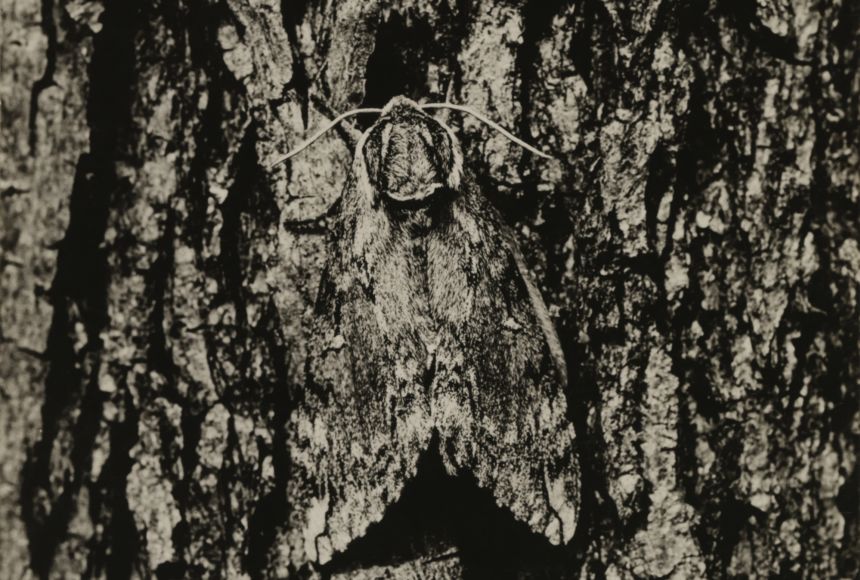
In many species, special genetic variations give animals a camouflaged appearance to blend in with their environment, like this Catalpa Sphinx moth (Ceratomia catalpae) which uses its textured wings to blend in with a tree's bark.
Photograph by J.S. Houser
Share on Twitter
Share on Facebook
Share on Pinterest
Share on Google Classroom
Share on MS Teams
Share via email
Print
Genetic variation refers to differences among the genomes of members of the same species. A is all the information—all the genes—of an . For instance, the human genome contains around 20,000 .
Genes are units of hereditary information, and they carry instructions for building . The genes that are encoded within these proteins are what enable cells to function. The genes of most organisms are composed of (deoxyribonucleic acid). This molecule is made of four base pairs, called . DNA’s flexibility, through different combinations and arrangements of nucleotides, creates the variability of our genes.
Most organisms that reproduce sexually have two copies of each gene, because each parent cell or organism donates a single copy of its genes to its offspring. Additionally, genes can exist in slightly different forms, called , which further adds to genetic variation.
The combination of alleles of a gene that an individual receives from both parents determines what biologists call the genotype for a particular trait, such as hair texture. The genotype that an individual possesses for a trait, in turn, determines the —the observable characteristics—such as whether that individual actually ends up with straight, wavy or curly hair. Genetic variation determines more than just hair texture. While about 99.5% of the human genome is identical in every human, the remaining 0.5% is what makes each individual human unique and helps the human race survive. Genetic variation doesn’t just influence visible physical traits; it also explains why certain health conditions continue to exist, and impacts how people respond to medications.
Genetic variation within a species can result from a few different sources. —the changes in the sequences of genes in DNA—are one source of genetic variation. Genetic mutations can be helpful to an individual, but they can also be harmful or have no clear impact. A mutation can even affect individuals differently, depending on if a person has one copy of the mutation or two. For example, having two copies of a genetic mutation to the HBB gene, which encodes for a component of red blood cells, can cause a painful disorder called sickle cell anemia. But having just one copy makes a person more resistant to the illness malaria than someone who doesn’t carry the trait at all. Another source of genetic variation is , or the movement of genes between different . Finally, genetic variation can be a result of , which leads to the creation of new combinations of genes.
Genetic variation in a group of organisms enables some organisms to survive better than others in the in which they live. Organisms of even a small population can differ strikingly in terms of how well suited they are for life in a certain environment. An example would be moths of the same species with different color wings. Moths with wings similar to the color of tree bark are better able to camouflage themselves than moths of a different color. As a result, the tree-colored moths are more likely to survive, reproduce and pass on their genes. This process is called , and it is the main force that drives . The higher the genetic variation among members of a species, the more opportunities they have to adapt to their changing environments and survive.
Credits
Media Credits
The audio, illustrations, photos, and videos are credited beneath the media asset, except for promotional images, which generally link to another page that contains the media credit. The Rights Holder for media is the person or group credited.
For information on user permissions, please read our Terms of Service. If you have questions about how to cite anything on our website in your project or classroom presentation, please contact your teacher. They will best know the preferred format. When you reach out to them, you will need the page title, URL, and the date you accessed the resource.
Media
If a media asset is downloadable, a download button appears in the corner of the media viewer. If no button appears, you cannot download or save the media.
Text
Text on this page is printable and can be used according to our Terms of Service.
Interactives
Any interactives on this page can only be played while you are visiting our website. You cannot download interactives.