ENCYCLOPEDIC ENTRY
ENCYCLOPEDIC ENTRY
Surface Water
Surface Water
Surface water is any body of water found on Earth’s surface, including both the saltwater in the ocean and the freshwater in rivers, streams, and lakes. A body of surface water can persist all year long or for only part of the year.
Grades
5 - 8
Subjects
Biology, Conservation, Earth Science
Image
Surface Water
Rivers are a major type of surface water. Surface water is a key component to the hydrologic cycle.
Photograph by a_Taiga
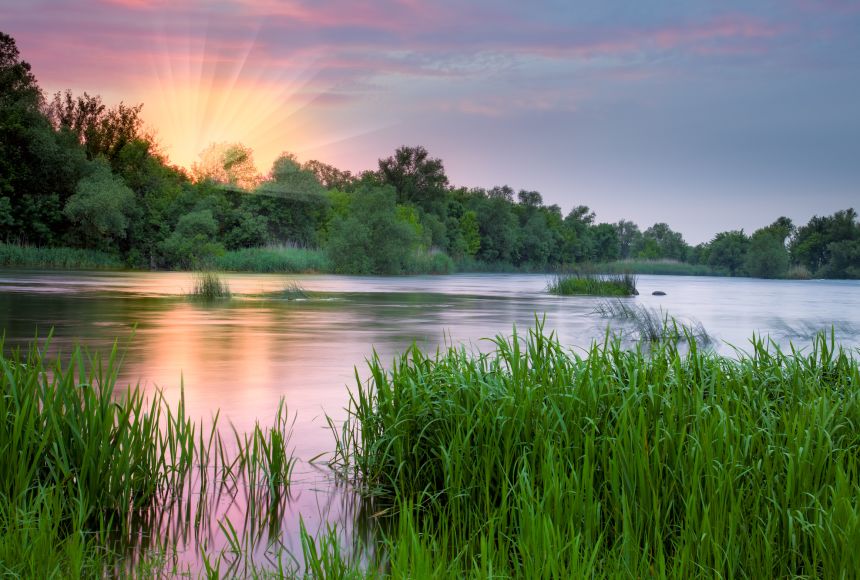
Surface water is any body of water above ground, including streams, rivers, lakes, wetlands, reservoirs, and creeks. The ocean, despite being saltwater, is also considered surface water. Surface water participates in the hydrologic cycle, or water cycle, which involves the movement of water to and from Earth’s surface. Precipitation and water runoff feed bodies of surface water. Evaporation and seepage of water into the ground, on the other hand, cause water bodies to lose water. Water that seeps deep into the ground is called groundwater.
Surface water and groundwater are reservoirs that can feed into each other. While surface water can seep underground to become groundwater, groundwater can resurface on land to replenish surface water. Springs are formed in these locations.
There are three types of surface water: perennial, ephemeral, and artificial. Perennial, or permanent, surface water persists throughout the year and is replenished with groundwater when there is little precipitation. Ephemeral, or semipermanent, surface water exists for only part of the year. Ephemeral surface water includes small creeks, lagoons, and water holes. Artificial surface water is found in artificial structures, such as dams and constructed wetlands.
Since surface water is more easily accessible than groundwater, it is relied on for many human uses. It is an important source of drinking water and is used for the irrigation of farmland. In 2015, almost 80 percent of all water used in the United States came from surface water. Wetlands with surface water are also important habitats for aquatic plants and wildlife.
The planet’s surface water can be monitored using surface measurements and satellite imagery. The flow rates of streams are measured by calculating the discharge—the amount of water moving down the stream per unit of time—at multiple points along the stream. Monitoring the flow rate of streams is important as it helps determine the impact of human activities and climate change on the availability of surface water. Keeping track of vegetation around bodies of surface water is also important. The removal of vegetation, either through natural means such as fires, or through deforestation, can have a negative impact on surface water. Loss of vegetation can lead to increased surface runoff and erosion, which in turn can increase the risk of flooding.
Credits
Media Credits
The audio, illustrations, photos, and videos are credited beneath the media asset, except for promotional images, which generally link to another page that contains the media credit. The Rights Holder for media is the person or group credited.
Director
Author
Production Managers
Program Specialists
Specialist, Content Production
Producer
other
Last Updated
May 8, 2025
User Permissions
For information on user permissions, please read our Terms of Service. If you have questions about how to cite anything on our website in your project or classroom presentation, please contact your teacher. They will best know the preferred format. When you reach out to them, you will need the page title, URL, and the date you accessed the resource.
Media
If a media asset is downloadable, a download button appears in the corner of the media viewer. If no button appears, you cannot download or save the media.
Text
Text on this page is printable and can be used according to our Terms of Service.
Interactives
Any interactives on this page can only be played while you are visiting our website. You cannot download interactives.